Dedicated vs Shared Mobile Proxies: Which Access Model Fits?
Updated October 8, 2026
Dedicated vs Shared Mobile Proxies: Which Access Model Fits?
How should enterprise teams choose between dedicated vs shared mobile proxies? The choice should follow verified resource allocation and workload requirements: dedicated access fits a need for reserved resources, while shared access may fit workloads that accept simultaneous use by other customers. The word "dedicated" alone doesn't establish a unique public IP or better results.
For broader measurement methods, mobile proxy performance evaluation explains how to assess successful tasks, connection behavior, and throughput beyond the access model.
Resource allocation in dedicated vs shared mobile proxies
A dedicated label needs a concrete object behind it.
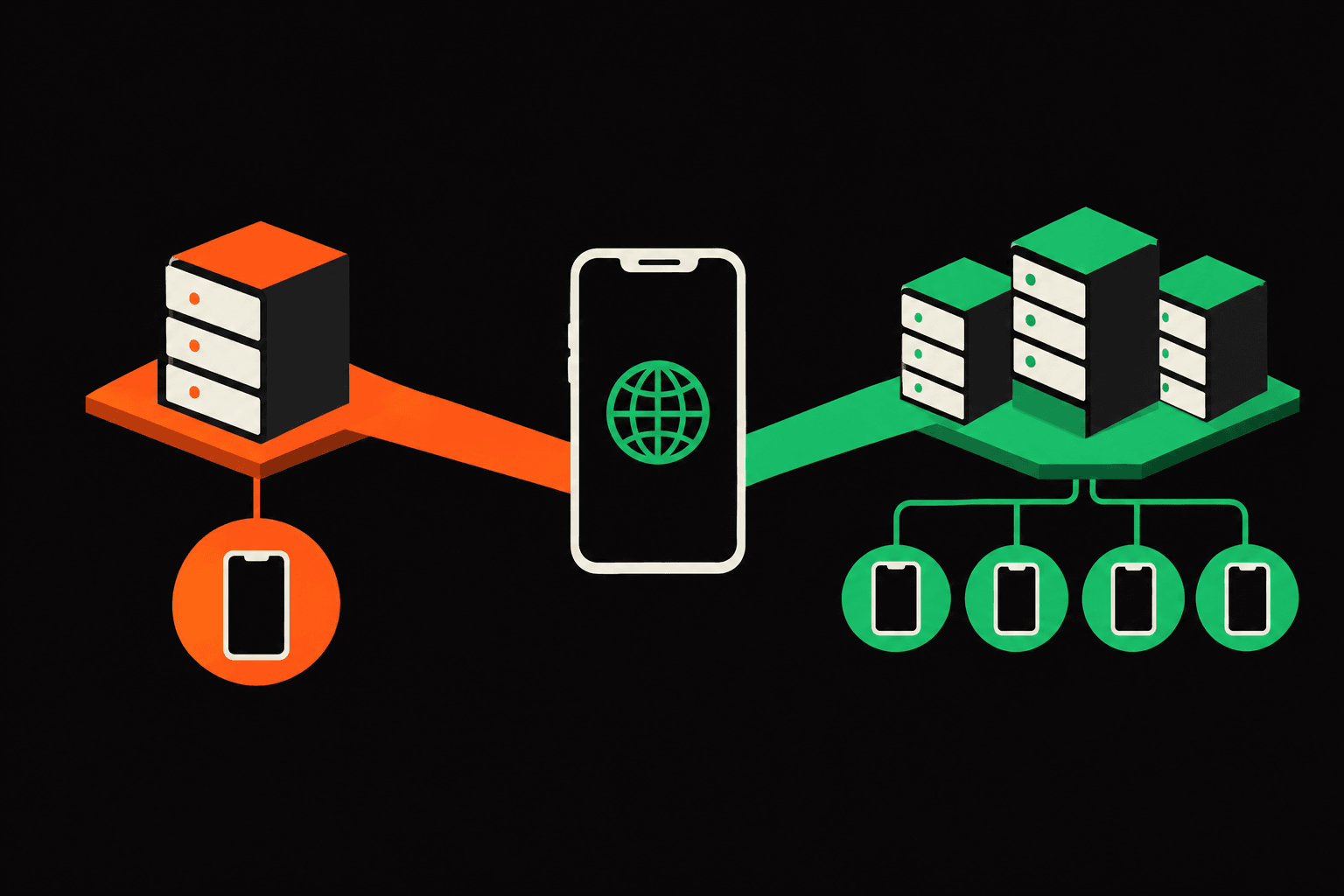
Voidmob describes dedicated mobile proxies as provisioning a single device exclusively for one customer. DataResearchTools describes shared mobile proxies as distributing mobile IP addresses across simultaneous users, with customers sharing bandwidth and addresses. Those definitions provide a starting point, but a purchase decision still requires the seller's specific allocation terms.
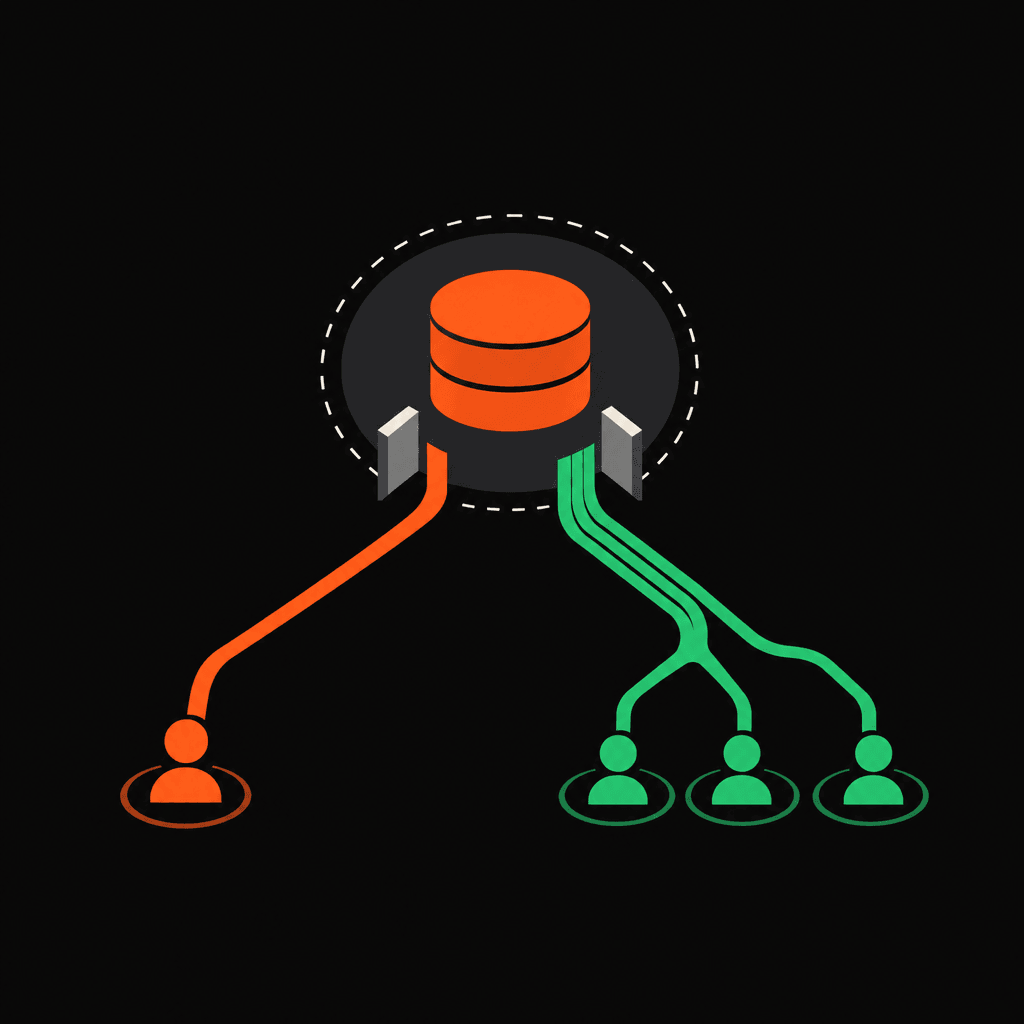
A reserved device and an exclusive public IP are different contractual claims. Buyers shouldn't treat confirmation of the former as confirmation of the latter, or assume that an exclusive port reserves every resource behind it.
Resource exclusivity: A commitment that a specified resource, such as a device, is reserved for a customer during an agreed period.
Session persistence: The stated behavior of a connection or assigned address during a session, including what can cause it to change or lead to mobile proxy disconnections.
| Allocation question | Dedicated access check | Shared access check |
|---|---|---|
| What resource is assigned? | Identify the reserved device or other explicitly named resource. | Identify the resources used by multiple customers. |
| Who can use it simultaneously? | Request the scope and duration of the exclusivity commitment. | Request simultaneous-use rules and any disclosed allocation controls. |
| What happens to the public IP? | Confirm address exclusivity separately from device reservation. | Confirm address-sharing and reassignment behavior. |
| What can change during a session? | Document rotation, disconnect, and reassignment conditions. | Document those conditions independently of sharing. |
A description on a mobile proxy product page can help identify a candidate service, but the allocation questions belong in a written pre-purchase exchange.
Buying criteria: contention, consistency, and control
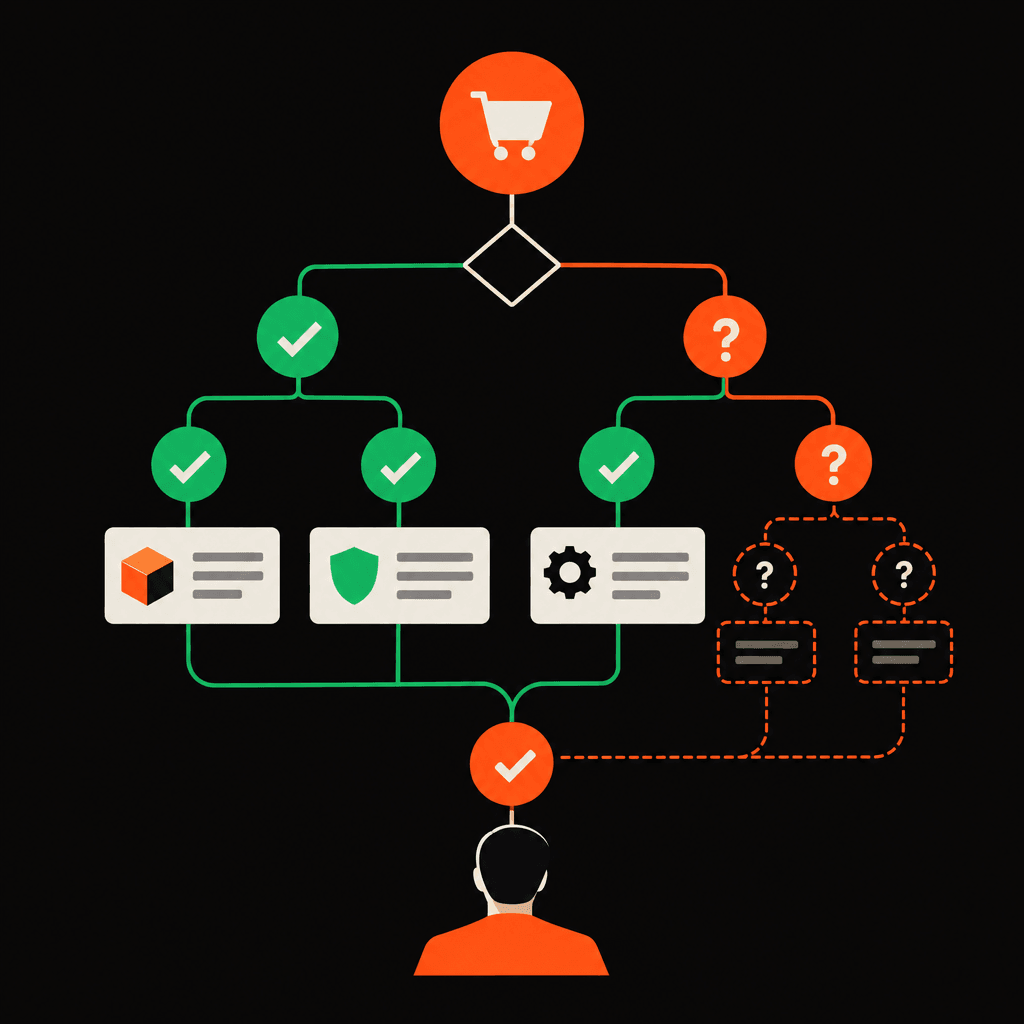
For procurement teams, comparing dedicated vs shared mobile proxies starts with consequences: what would a competing workload, interrupted session, or unexpected address change prevent the application from completing?
Contention must be assessed at the relevant resource
Sharing bandwidth creates a reason to investigate contention, not a basis for inventing a performance penalty. The buyer should ask whether bandwidth, connection capacity, and request handling have documented allocation rules. A device reservation shouldn't be interpreted as a bandwidth guarantee unless the terms explicitly connect them.
Connection consistency needs its own acceptance criteria
The application owner should record whether a task needs an uninterrupted connection, an unchanged address, or simply successful completion after reconnecting. These requirements aren't interchangeable. Testing should record interruptions and address changes separately so that an acceptable retry doesn't conceal a session requirement failure.
Control should be specified rather than inferred
Buyers should request documentation for rotation triggers, session duration, reconnect behavior, and available controls. Access model and rotation are overlapping categories, as IPRoyal's classification explains; a mobile service can be shared and rotating. Neither access label alone establishes the controls available to developers.
For teams considering IP9's mobile and residential proxies, the same distinction applies: the offering name shouldn't substitute for written allocation and session terms.
Pricing dedicated vs shared mobile proxies against the same workload
HardwareSecrets describes dedicated access as typically costing more because a customer covers a reserved device rather than sharing its cost. That explains a common pricing difference, not a guaranteed quote relationship between any two services.
Billing units also matter. Decodo describes traffic-based charging as common for rotating mobile pools, while dedicated mobile proxy pricing commonly uses per-IP, per-port, daily, or monthly billing. A port charge and a traffic charge cannot be compared meaningfully without the expected workload.
A useful quote request includes the anticipated traffic, concurrent connections, required reservation period, and session requirements. Each seller should quote against that same specification and identify included usage, additional charges, and conditions that could interrupt access.
- Traffic-based quote: Record expected billable traffic, the billing definition, and any minimum commitment.
- Time-based or reserved-resource quote: Record the number of billed resources, reservation duration, and usage allowances.
- Total-cost check: Include disclosed setup, additional-resource, and excess-usage charges where applicable.
IP9's pricing calculator and locations provide a starting point for commercial evaluation. Location availability should be checked alongside the requested allocation model, rather than assumed to apply identically to every configuration.
And a lower invoice doesn't settle the decision if the quoted service cannot meet a required session condition.
A practical mobile proxy buying checklist
A useful evaluation of dedicated vs shared mobile proxies produces a requirements sheet, a written supplier response, and a test record. These documents should describe the same workload rather than three different versions of it.
- Document required access. Specify which resource must be exclusive, whether simultaneous use is acceptable, and whether a stable public IP is necessary. Mark each item as required or preferred.
- Request an allocation statement. Ask the seller to identify the reserved or shared resources and explain what happens when capacity is under pressure.
- Obtain session terms. Record rotation triggers, disconnect conditions, reassignment behavior, and any stated session limits.
- Set acceptance criteria before testing. Define acceptable task completion, interruption behavior, and cost from the application's needs, without substituting generic benchmark targets.
- Run comparable evaluations. Keep the authorized task, application configuration, destination, and expected concurrency consistent. Record changed conditions rather than attributing every difference to sharing.
- Reconcile results with the quote. Check whether the tested configuration matches the resources, controls, and allowances actually being purchased.
Teams also evaluating a different network source can use the residential proxy performance guide for that separate assessment; a mobile access-model test shouldn't silently become a comparison of network types.
Any proposed automation trial should be checked against the provider's full acceptable-use policy and the destination's authorization requirements before execution.
Make the choice conditional on written commitments
The final decision on dedicated vs shared mobile proxies should distinguish confirmed commitments from unresolved assumptions. Procurement can classify each requirement as confirmed, conditional, or unanswered and keep that record with the order.
Dedicated access is a fit when a named exclusive resource is required and the proposed contract supplies it. Shared access remains a candidate when simultaneous use is acceptable and the verified terms and evaluation meet the workload's requirements.
An unanswered exclusivity question isn't evidence that sharing occurs, but it isn't a reservation guarantee either. Critical unanswered requirements should remain purchasing blockers rather than being converted into optimistic assumptions.
FAQ
Can dedicated vs shared mobile proxies be decided from the plan name alone?
No. The name provides a category, while the allocation statement establishes what is reserved or shared. Session behavior, public IP exclusivity, and billing conditions still require separate confirmation.
Does reserving a device establish exclusive public IP use?
A device reservation alone doesn't establish that commitment. Buyers needing exclusive public IP use should request explicit terms covering address assignment and simultaneous use rather than relying on device-level wording.
Can shared access support a workload that needs predictable sessions?
It remains a candidate if its documented session behavior meets the requirement. The buyer should verify the shared mobile proxy limits and test the relevant session conditions; sharing alone doesn't answer the persistence question.
When is a higher reservation cost justified?
It can be justified when reserved resources satisfy a necessary allocation requirement that the shared quote doesn't meet. The decision should connect the additional cost to a verified requirement, not an assumed improvement in speed or task success.
At the next renewal or workload change, teams comparing dedicated vs shared mobile proxies should recheck resource exclusivity, simultaneous-use rules, session behavior, and the quote against their current requirements.